
Introduction
For many Florida homeowners, high energy bills feel unavoidable — especially during long, hot summers. But what many don’t realize is that an outdated air-conditioning system can silently drive up monthly costs, reduce comfort, and strain the home’s electrical system.
Homes built 10–20 years ago were not designed to handle today’s energy demands or extreme heat patterns. The Energy Efficiency Program (EEP) was created to help Florida homeowners modernize essential home systems with no upfront costs and flexible approval options, making energy-efficient upgrades more accessible than ever.
This article explains how to identify an inefficient A/C system, why it impacts your energy use so heavily, and how EEP helps homeowners upgrade without financial stress.
Why Older A/C Systems Struggle in Florida Homes
Florida’s climate places constant demand on cooling systems. Over time, even well-maintained units lose efficiency and require more power to deliver the same level of comfort.
Common challenges include:
- Extended cooling seasons that require A/C systems to run nearly year-round
- Older HVAC units (8–10+ years old) that consume significantly more electricity
- Low SEER-rated systems that no longer meet modern efficiency standards
- Inconsistent indoor temperatures caused by worn components or aging ductwork
- Higher strain on the electrical grid during peak summer months
As utility rates continue to rise, these inefficiencies can result in unexpectedly high monthly energy bills.
Signs Your A/C System Is Costing You More Than It Should
Many homeowners live with inefficient systems without realizing it. Here are common warning signs that your A/C may be driving up energy costs:
- Your home never cools evenly
- The system runs constantly but struggles to maintain temperature
- Energy bills remain high even during mild weather
- Frequent repairs or service calls
- Loud operation or reduced airflow
- The unit is more than 10 years old
If one or more of these apply, your home may be a strong candidate for an energy efficiency upgrade.
Modern Air-Conditioning Systems: High Efficiency, Lower Consumption
Air conditioning accounts for 40–50% of a typical Florida home’s total energy use. Modern high-efficiency systems are designed specifically to reduce that impact.
Through the Energy Efficiency Program, homeowners gain access to:
- New SEER2-rated air-conditioning systems
- Equipment engineered for Florida’s heat and humidity
- Professionally installed systems that meet current federal standards
Benefits of upgrading an outdated A/C system:
- Lower monthly energy consumption
- Faster and more consistent cooling
- Improved indoor air quality
- Reduced system breakdowns and maintenance needs
- Better long-term durability and performance
EEP removes the traditional financial barrier by offering no upfront cost and deferred payment options for qualifying homeowners.
The Role of Ductwork and Insulation in Energy Loss
An efficient A/C system alone isn’t enough if cooled air escapes before reaching living spaces. Older homes often suffer from:
- Leaky or deteriorated ductwork
- Poor attic insulation
- Inefficient airflow distribution
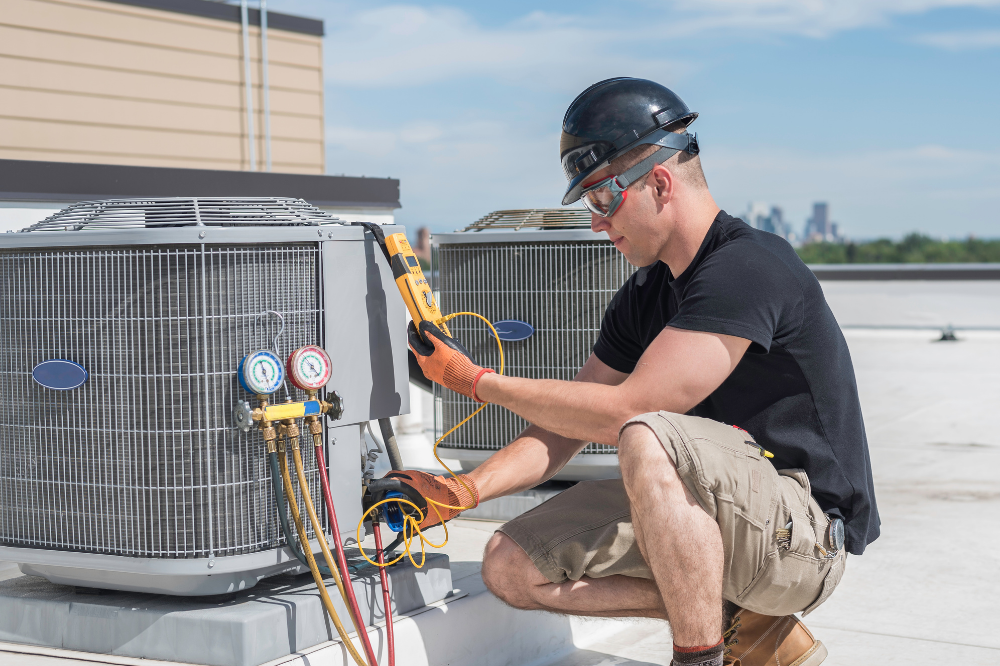
EEP evaluations assess the entire cooling system — not just the A/C unit — to identify where energy loss occurs and recommend targeted improvements that maximize efficiency.
A Comprehensive Energy Efficiency Approach
The Energy Efficiency Program takes a holistic view of the home. Rather than isolated upgrades, EEP combines multiple improvements into one streamlined process.
EEP’s integrated approach may include:
- High-efficiency air conditioning systems
- Ductwork improvements
- Insulation upgrades
- Solar energy solutions (when applicable)
- Backup power options for added resilience
- Personalized qualification support
A regional manager evaluates each home and recommends upgrades that deliver the highest long-term impact based on the homeowner’s needs.
Conclusion
Older A/C systems can quietly drain energy and increase monthly expenses — especially in Florida’s demanding climate. Recognizing the warning signs early allows homeowners to take action before costs continue to rise.
The Energy Efficiency Program provides a practical path to modern, efficient cooling solutions with no upfront costs, simple approvals, and professional installation. By upgrading essential home systems, Florida homeowners can improve comfort, reduce energy waste, and strengthen their homes for the future.Homeowners interested in improving their home’s energy efficiency can begin by scheduling a complimentary energy assessment through the Energy Efficiency Program.